
Date published: April 23, 2026
Date modified: August 27, 2026
Author: Shea Mencel, Co-founder, We Are Here | Certified Integrative Health Coach
They tell you to fight for your life.
But they rarely talk about what that fight might cost you.
I’m a 2x breast cancer survivor, diagnosed at 29, with an MBC recurrence at 32.
I often say my fertility journey was more traumatic than my diagnoses.
When the medical system treats parts of your future like fertility, identity, relationships, and long-term wellbeing as things to deal with later, it leaves a kind of wound that doesn’t really go away.
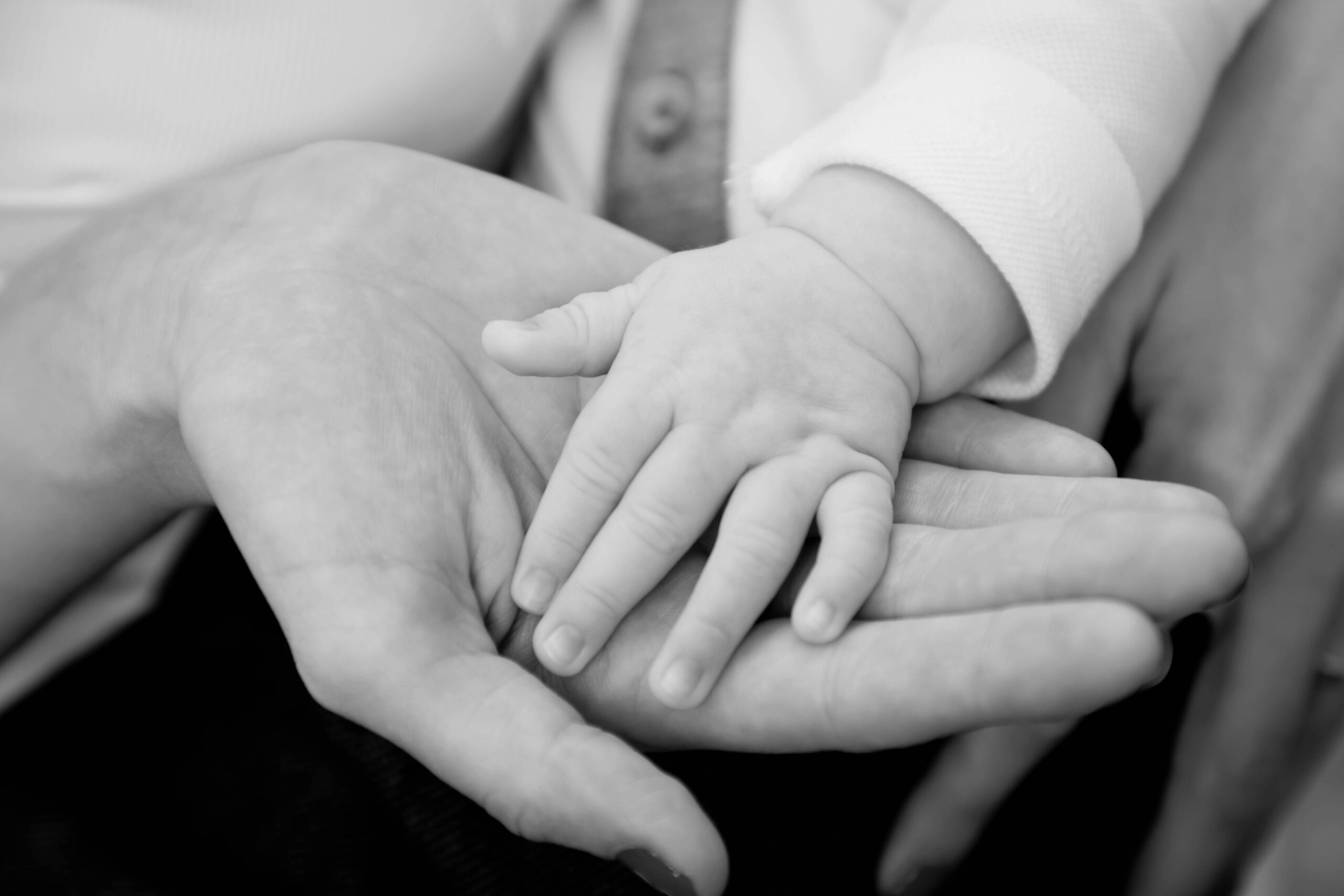
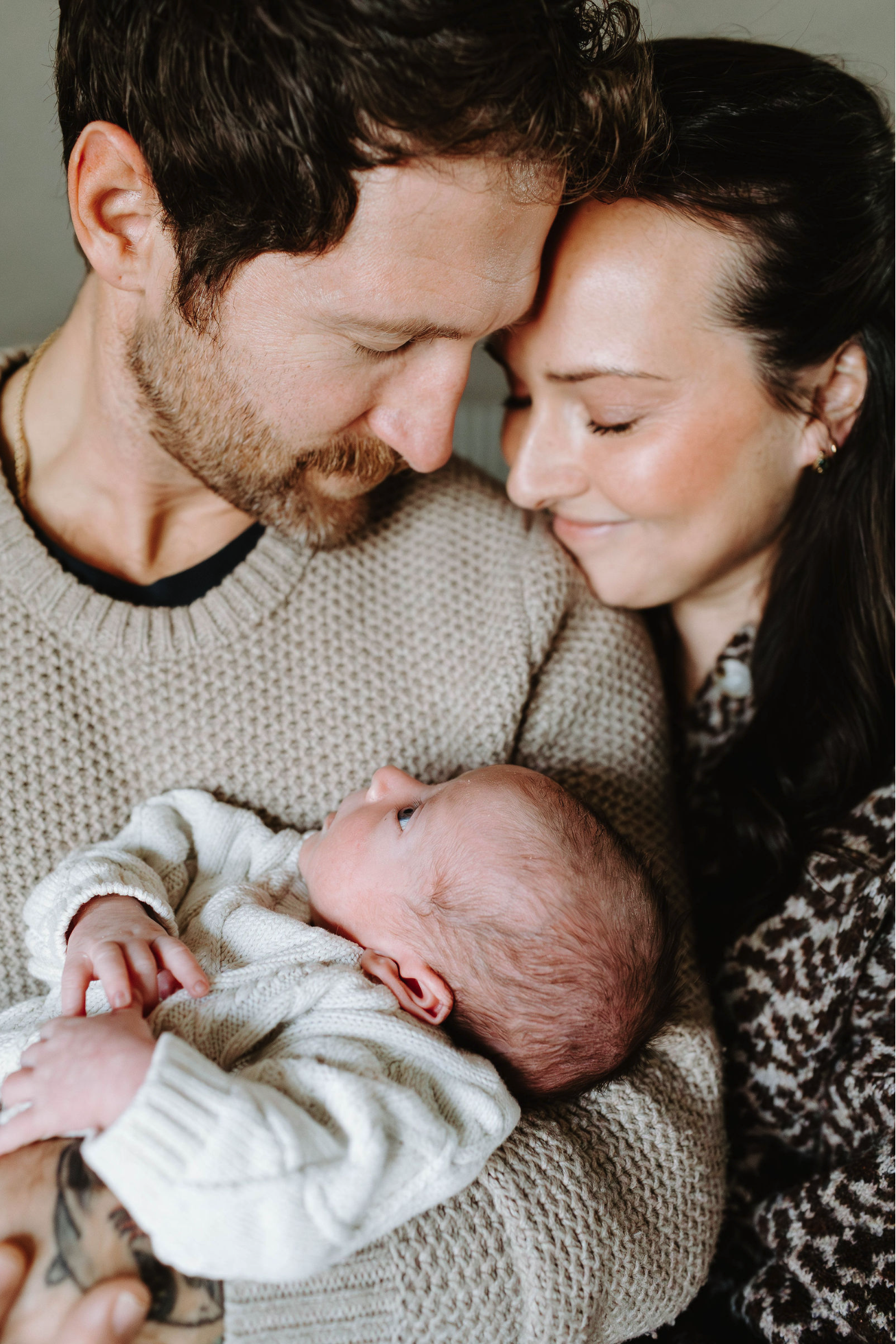
It took us seven years to get to our son.
Seven years shaped by loss, uncertainty, and more grief than I ever expected to carry.
I would not trade him for anything.
But I also won’t pretend that the road wasn’t hard.
Why this matters
We Are Here was built on a simple but radical belief: cancer care must address the whole person.
Not just the tumor.
Not just the treatment.
The whole, complicated, deeply human life of the person in that chair.
For so many cancer patients, especially young people, that life includes dreams of parenthood.
And too often, those dreams get sidelined the moment a diagnosis arrives.
Oncologists are focused, rightly, on keeping you alive.
But staying alive is not the same as living the life you envisioned.
People deserve both.
Fertility preservation is not a luxury. It is not a conversation to have later.
It is whole person care, and it belongs in every cancer treatment plan from day one.
What they tell you, and what they don’t
Before chemotherapy in 2018, I was fortunate in some ways. I had access, information, and enough time to pursue fertility preservation before treatment began.
But I also remember being told not to do fertility treatment.
That recommendation didn’t sit right with me, and I chose to move forward anyway.
Looking back, I am deeply grateful I did.
I was able to complete an IVF retrieval and create nine embryos. I held onto hope in a very tangible way.
What I didn’t have was preparation for what came next.
No one talked to me about the years that might follow.
The years of waiting.
The failed transfers.
The losses.
The emotional weight of living in cycles of hope and grief at the same time.
The way fertility can become its own long, nonlinear medical journey running alongside survivorship.
Why this matters beyond my story
My experience is not rare.
Infertility after cancer is common, under-acknowledged, and under-resourced.
For many patients, it becomes a second devastating loss layered on top of the first.
Too many people are not told their options early enough. Too many are left making irreversible decisions under the pressure of a new diagnosis.
Fertility conversations are essential parts of care planning that belong at diagnosis, not after treatment begins, and not after options may already be limited.
Patients deserve to be seen as full humans with full futures.
This week, we had an important conversation
I recently joined Suzanne Stone, CEO of the Livestrong Foundation, on the Her Health Compass podcast, hosted by Yonni Wattenmaker and Heather Ouida.
The episode, Biological Detour: A Podcast about Cancer, Fertility, and the Path to Motherhood, explores what it really means to navigate parenthood dreams alongside a cancer diagnosis.
We talked about my story.
We talked about the emotional weight and urgency of fertility decisions.
We talked about what organizations like Livestrong and We Are Here are doing to help close the gap between cancer care and the full human experience of the people receiving it.
Livestrong has long been a leader in helping cancer patients access fertility preservation resources and family-planning support. I’m grateful for organizations continuing to push these conversations forward.
Who this conversation is for
People who are newly diagnosed and haven’t been told what their fertility options are.
People navigating family-building after treatment.
Caregivers trying to understand what their loved one is carrying.
Clinicians who want to do better.
And anyone who has ever felt like parts of their future weren’t part of the care conversation.
Why We Are Here exists
We Are Here was built from lived experience because we know what it feels like to move through cancer care without support for the full picture of your life.
We don’t just connect people to resources.
We try to help hold the parts of the experience that are overwhelming, isolating, and often financially and emotionally exhausting.
That includes fertility and family-building, but it also includes everything else that gets disrupted when life changes overnight.
Because access to fertility care is not equal. Insurance coverage varies widely state to state, and even plan to plan. For many people, the cost of preservation or family-building becomes a barrier before they even have the chance to begin.
We Are Here exists in the ecosystem of whole person care not only to help people understand what is possible, but to help remove some of the financial barriers that stand in the way of it. We support people not just in imagining a future, but in actually working toward it.
No one should have to figure that out alone.
For anyone who needs this
If this is your experience too, I hope this conversation meets you where you are.
If you are navigating cancer and fertility decisions right now, I hope you know support exists.
If you’ve walked this road before, grieving privately while showing up publicly, I see you. This week is for you too.
And if you love someone carrying this, know there is often far more happening beneath the surface than you can see.
🎙️ Listen to the episode.
💛 Fertility resources:
If you are navigating cancer, infertility, or family-building after treatment, there are organizations that provide financial assistance, discounts, and grants to help make fertility preservation and family-building more accessible.
Cancer-specific fertility preservation support
- Livestrong Fertility – Provides discounted fertility preservation services and medication support for people facing cancer before treatment begins
- The Chick Mission – Offers Hope Grants for urgent fertility preservation prior to cancer treatment
- Worth the Wait Charity – Grants supporting fertility preservation, IVF, surrogacy, and adoption for young adult cancer survivors
Fertility + family-building grants (beyond cancer diagnosis)
- Hope for Fertility Foundation – Provides IVF and fertility treatment grants based on need and diagnosis
- Baby Quest Foundation – Offers grants for IVF, donor eggs/sperm, and surrogacy support
- The Cade Foundation – Family-building grants for adoption and assisted reproductive technologies
Additional support and navigation
RESOLVE: The National Infertility Association – National infertility organization offering education, advocacy, and financial resource directories
About the Author
Shea Mencel is a Certified Integrative Health Coach, health equity advocate, and Co-founder & Vice President of Navigation at We Are Here, where she helps reimagine cancer support through whole person care, navigation, and access to critical resources.
A two-time breast cancer survivor, Shea’s personal journey through treatment, fertility, and survivorship informs her commitment to helping others feel less alone and better supported through cancer. She believes healthcare should be personalized, compassionate, and built around the full human experience, with whole person care becoming the standard, not the exception. Learn more at www.sheamencel.com.