
Date published: April 23, 2025
Date modified: April 23, 2025
Author: Shea Mencel, Certified Integrative Health Coach & Co-founder, We Are Here
Introduction: What You Can Control
When you’re facing cancer, so much can feel out of your control – appointments, test results, side effects, and the overwhelming cost of care. But there are things that can help you feel empowered.
Science shows us that nutrition, movement, rest, and even how we manage stress all play a role in healing. These tools are accessible to everyone, regardless of income. They’re not a replacement for treatment. But they can work with your care plan, not against it, to support your energy, your immune system, and even long-term outcomes.
This blog is about reclaiming a sense of agency. Your health shouldn’t have to come with a high price tag, and it doesn’t always have to.
What the Science Says: The Link Between Lifestyle and Cancer Outcomes
The connection between diet, lifestyle, and cancer is backed by decades of research.
- Better Diet = Better Survival: A 2020 study found that a high-quality diet (fruits, vegetables, whole grains, and lean proteins) is associated with significantly better survival rates among cancer survivors (1).
- Movement Matters: Exercise has been shown to reduce cancer-related fatigue, improve mental health, and lower the risk of recurrence, especially in breast, prostate, and colon cancers (2).
- Stress Reduction = Biological Impact: Chronic stress increases inflammation and may interfere with the body’s ability to repair itself. Mind-body practices like meditation, journaling, or walking outdoors can help (3).
The takeaway? You don’t need perfect circumstances. You just need a place to start that feels doable.
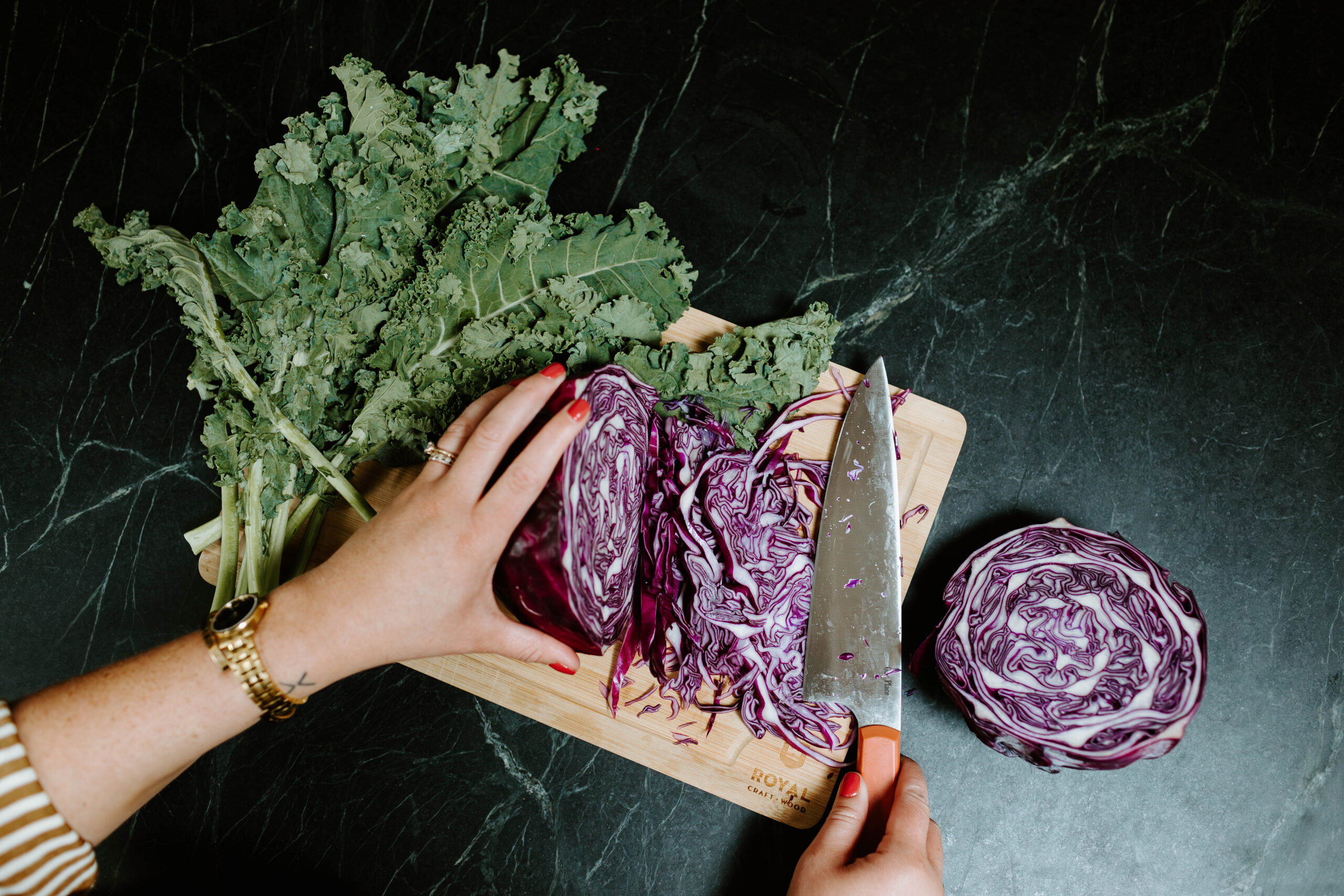
Real Talk: What If You Don’t Have Access to Organic Kale?
Cancer is expensive. Organic food isn’t always realistic, but a supportive diet doesn’t have to be fancy or expensive. In fact, some of the most healing foods are the most affordable:
- Frozen fruits and vegetables are just as nutritious as fresh (if not more), and often cheaper (4).
- Canned beans, lentils, and brown rice offer fiber and protein for around a dollar.
- Water supports detox and digestion.
- Healthy fats like avocado, almond butter, sunflower seeds, and pumpkin seeds fuel energy and help absorb nutrients.
You don’t need superfoods. You need consistent, nourishing food that works for your body and your budget.
You Don’t Need Perfect to Start It’s completely normal to feel overwhelmed, but don’t confuse that feeling with powerlessness. You don’t need perfect circumstances or a full bank account to begin supporting your healing. Small, simple choices made consistently, like a glass of water, a deep breath, or a walk outside, can add up to real change. You can start right now, exactly where you are.
About the Author
Shea Mencel is a Certified Integrative Health Coach, health equity advocate, and Co-founder & Vice President of Navigation at We Are Here. With a background in trauma-informed care, mind-body nutrition, and integrative wellness, she supports people with cancer in reclaiming power, clarity, and well-being, no matter where they are in the process. She is also a two-time breast cancer survivor.
Shea believes care should be bioindividual, holistic, accessible, and rooted in community, and that even the smallest changes in how we eat, move, and rest can make a powerful difference. You can learn more about her work at www.sheamencel.com.
References
1Deschasaux-Tanguy, M. et al. (2020). “Diet and survival in adult cancer survivors: A systematic review and meta-analysis of cohort studies.” JAMA Oncology.
2Campbell, K. L., Winters-Stone, K. M., et al. (2019). “Exercise Guidelines for Cancer Survivors: Consensus Statement from International Multidisciplinary Roundtable.” Medicine & Science in Sports & Exercise.
3National Cancer Institute (2023). “Psychological Stress and Cancer.” https://www.cancer.gov/about-cancer/coping/feelings/stress-fact-sheet
4Bouzari, A., Holstege, D. M., & Barrett, D. M. (2015). “Vitamin retention in eight fruits and vegetables: A comparison of refrigerated and frozen storage.” Journal of Agricultural and Food Chemistry, 63(3), 957–962.